How to Wash and Care for Custom Overalls So They Last
Custom overalls last longest when crews wash them inside out, skip chlorine bleach, dry them on low heat and treat stains before they set. Customized Overalls plans care into every order, matching style, color and decoration method to how your crew does laundry, with a minimum of 12, a free mockup within 24 hours and production in about 2 weeks.
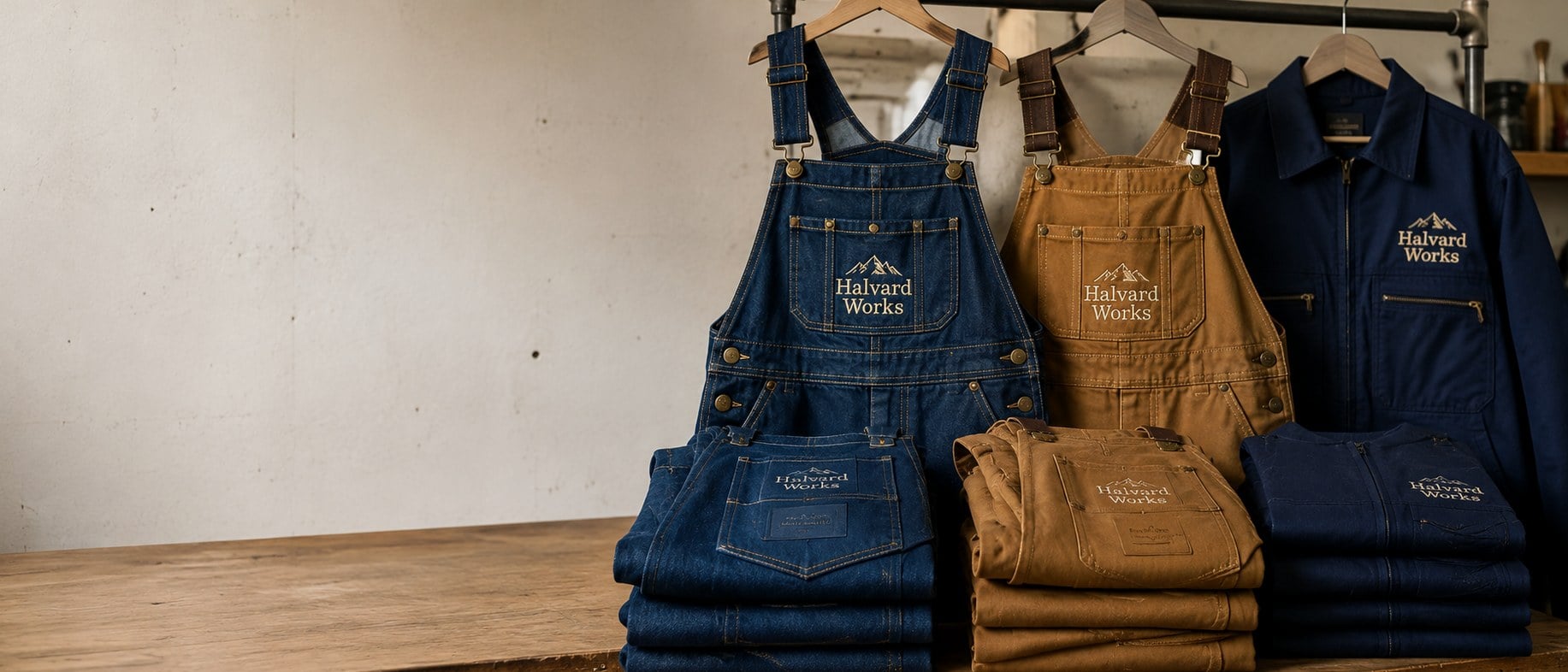
- Wash overalls inside out with zippers and snaps closed
- Skip chlorine bleach on embroidered and printed logos
- Dry on low heat or hang; high heat cracks screen prints
- Flame resistant coveralls follow the manufacturer's care label
- Minimum order 12; free mockup within 24 hours
What makes custom overalls last longer on a working crew?
Custom overalls last longest when the crew washes them inside out in cool to warm water, skips chlorine bleach on decorated areas, dries them low or on a line, and treats stains before they set. Those habits protect both the fabric and the logo, so the garment keeps looking like a uniform instead of a rag.
Most wear on work overalls does not come from the job itself. Kneeling, climbing and hauling do scuff knees and fray cuffs, but the bigger damage usually happens in the laundry room: hot dryers that bake screen prints, harsh bleach that yellows embroidery thread, and overloaded machines that grind zippers against fabric. A crew that follows a simple routine gets far more service from every set.
Care also starts before the first wash. The style you choose, the decoration method and where the logo sits all affect how easy the overalls are to clean. Customized Overalls talks through care alongside style and placement on every quote, so the garments you order fit the way your crew actually launders them, whether that is a home washer, a shop machine or a uniform service.
How should you wash custom overalls without fading the logo?
Wash custom overalls inside out, zipped and snapped closed, with a mild detergent and without chlorine bleach. Turning the garment inside out keeps the printed or embroidered surface from rubbing against other clothes and the drum, which is the main cause of faded prints and fuzzy stitching.
A short routine your crew can post by the washer:
- Empty every pocket. Pens, screws and lighters ruin fabric and machines alike.
- Close zippers, snaps and bib buckles. Open hardware snags the logo and nearby garments.
- Turn the overalls inside out. The decoration faces the inside of the load.
- Pretreat stains. Work a stain remover into grease, paint or mud before washing, keeping it off the logo where you can.
- Use cool to warm water and a gentle detergent. Very hot water is hard on prints and on dyed denim.
- Avoid overloading. Heavy overalls need room to move so detergent reaches every seam.
- Dry low or hang. High heat is the fastest way to crack a screen print.
Always check the garment’s own care label first. Flame resistant and insulated styles in particular have manufacturer instructions that take priority over any general routine.
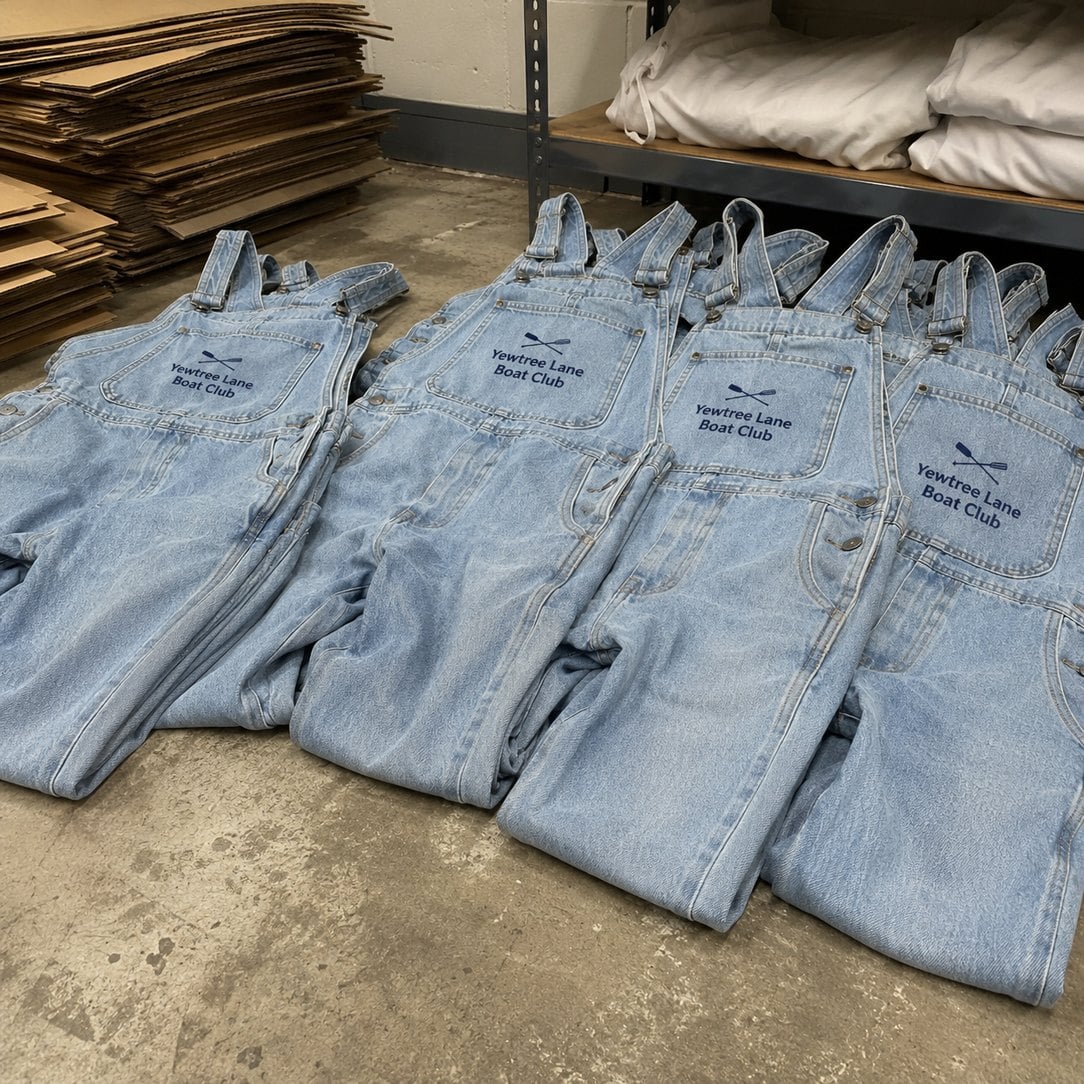
How do you care for each style of custom overalls?
Each style of custom overalls has its own care priority: denim bib overalls need dye control, painter’s whites need stain control, insulated coveralls need gentle drying, and flame resistant coveralls need strict label compliance. Matching the routine to the style keeps a mixed crew order looking consistent.
| Style | Main care concern | What to do |
|---|---|---|
| Denim bib overalls | Dye bleeding and fading | Wash new denim separately at first, inside out, with dark-safe detergent. |
| Shop coat overalls | Wrinkles and a sharp front-of-house look | Hang promptly after drying; iron around the logo, never directly on it. |
| Painter’s white overalls | Staining and graying | Pretreat paint and grime quickly; use oxygen-based whitener instead of chlorine bleach near the logo. |
| Insulated coveralls | Clumped or flattened fill | Use a gentle cycle and low-heat or air drying so the lining stays even. |
| Flame resistant coveralls | Protecting the FR properties | Follow the manufacturer’s care label exactly; skip bleach, fabric softener and starch. |
| Disposable coveralls | Single-use material | Do not wash; replace them when soiled or torn. |
If your order mixes styles, such as denim bib overalls for the yard and shop coat overalls for the counter, sort them into separate loads so denim dye never transfers onto lighter garments.
How do embroidery, screen printing and patches hold up to washing?
Embroidery, screen printing and sewn patches all survive regular washing on custom overalls, but each one fails differently when care slips. Knowing the weak point of your decoration method tells the crew exactly what to avoid in the laundry room.
- Embroidery is the most forgiving on heavy work fabric. The risk is chlorine bleach, which can discolor thread, and rough washing that pulls loops loose. Inside-out washing keeps stitches flat.
- Screen printing stays bright when it avoids high dryer heat and direct ironing. Heat is what causes cracking and peeling at the edges of the design.
- Sewn patches handle rough jobs well. Watch the stitched border; if an edge starts to lift, a quick repair stitch stops it from spreading.
Customized Overalls recommends the method that suits your fabric, your logo detail and how your crew does laundry, and the free mockup within 24 hours shows exactly where each mark will sit. For a full look at each decoration option, see the logo guide on the Customized Overalls blog.
How do you get grease, paint and mud out of work overalls?
Grease, paint and mud come out of work overalls most reliably when they are treated soon after the shift, before the stain dries or bakes in a hot dryer. Each type of mess needs a different first step, and every one of them should be handled with care around the logo.
Grease and oil. Blot excess, then work a degreasing dish soap or a mechanic’s laundry pretreatment into the spot. Let it sit before washing. Never put a greasy garment in the dryer until the stain is gone, because heat sets oil into the fibers.
Paint. Water-based paint rinses out best while still wet, so painters should flush fresh spots with water at the end of the day. Solvent-based paint needs the cleaner recommended on the paint can, tested first on an inside seam and kept off any screen print.
Mud and clay. Let it dry, then brush off as much as possible before washing. Washing heavy mud straight in grinds grit into the fabric and the decoration.
For trades where stains are part of the job, such as painting, choosing the right color at order time matters as much as laundry. Painter’s white overalls show a professional look on a clean job, while darker denim hides shop grime between washes.
What is the right way to dry and store custom overalls between shifts?
Custom overalls should be dried on low heat or hung to air dry, then stored hanging in a dry, ventilated spot rather than balled up in a truck or a locker floor. Damp overalls left folded breed mildew and odor, and wrinkled heaps make even a sharp logo look neglected.
Line drying is the gentlest option for every style except insulated coveralls, which often benefit from a low-heat tumble to keep the fill from clumping. Hang bib overalls by the straps or on a sturdy hanger so the bib and logo stay flat. Shop coats look best on a shaped hanger that holds the shoulders.
On the job site, give each worker a hook rather than a shared pile. When every set has an owner, crews take better care of their overalls, and adding individual names to the order makes that easy. Customized Overalls can put a different name on each garment in the same run from the minimum of 12, which also keeps sets from walking off with the wrong person.
Keep overalls out of direct sun for long stretches when they are not being worn. Constant sunlight fades dark denim and can dull printed colors faster than washing does.
When should a crew replace worn custom overalls?
A crew should replace custom overalls when they no longer protect the worker or no longer represent the company well. Torn knees, broken zippers, failed snaps and a logo that has faded beyond recognition all signal that a set has reached the end of its useful life.
Protection comes first. Holes and worn-through seams let oil, paint and debris reach skin and street clothes, which defeats the purpose of wearing overalls. For flame resistant coveralls, any damage, contamination with flammable substances or wear that the manufacturer’s guidance flags means the garment should come out of service.
Appearance matters next. Branded overalls are a moving sign for your business at every job site, so a crew in mismatched, faded sets sends a weaker message than a crew in clean, matching garments. Many companies replace sets on a rolling basis as they wear out, rather than all at once.
Keeping a record of your style, color, logo file and placement makes replacements simple. Customized Overalls keeps your approved design on file, so a reorder matches the originals, with production in about 2 weeks after approval.
How can you order custom overalls that are easier to care for?
Custom overalls are easiest to care for when the style, color and decoration method are chosen with your laundry routine in mind. A few decisions at the quote stage save a lot of scrubbing later.
- Pick a color that suits the mess. Darker shades hide grease; whites signal a clean finish for painters and food plants.
- Match the decoration to the wash. Embroidery or patches suit crews that wash often and hard; screen printing suits large designs that will be dried gently.
- Place logos away from high-wear zones. A left chest or upper back mark lasts longer than one near the knees or hip pockets.
- Use disposables where laundry is impractical. Disposable coveralls make sense for visitors and one-off dirty jobs.
- Choose the right protection. Crews near sparks or flame need flame resistant coveralls with their own care rules, and cold-weather crews need insulated coveralls.
Tell Customized Overalls how your crew launders its gear when you request a quote. You get a free mockup within 24 hours, unlimited free revisions, and you pay nothing until you approve the design.
Frequently asked questions
Should custom overalls be washed inside out?
Custom overalls should be washed inside out every time. Turning the garment inside out keeps the embroidered or printed logo from rubbing against the drum and other clothes, which is the main cause of fuzzy stitching and faded prints. Close zippers and snaps first so hardware does not snag the decoration. Customized Overalls suggests posting this routine near the washer so every crew member follows it.
Can bleach be used on painter's white overalls that carry a logo?
Painter's white overalls with a logo should not be washed with chlorine bleach, which can yellow embroidery thread and weaken printed designs. An oxygen-based whitener is a gentler way to keep whites bright. Pretreat paint and grime soon after the shift so heavy whitening is rarely needed, and always follow the care label that comes on the garment itself.
Is tumble drying safe for custom overalls with a screen-printed logo?
Custom overalls with a screen-printed logo can be tumble dried on a low heat setting, but high heat is the fastest way to crack and peel a print. Line drying is gentler still. Remove the overalls promptly from the dryer and hang them, which also cuts down on wrinkles and keeps the logo flat and readable on the job.
How should flame resistant coveralls with a company logo be laundered?
Flame resistant coveralls with a company logo should be laundered exactly as the garment manufacturer's care label directs. Avoid chlorine bleach, fabric softener and starch, which can affect FR performance or leave flammable residue. Customized Overalls brands FR coveralls with methods chosen to suit the garment, but correct washing at home or by a laundry service remains the crew's responsibility.
Should new denim bib overalls be washed separately before the first wear?
New denim bib overalls are best washed separately for their first few washes because indigo dye can bleed onto lighter clothing. Wash them inside out in cool water with a detergent made for dark fabrics. Keeping denim apart from shop coats or painter's whites in the same crew order prevents blue tints on garments that need to stay light.
Can insulated coveralls go in a regular washing machine?
Insulated coveralls can usually go in a regular front-loading washing machine on a gentle cycle, but check the care label first, since some linings need special handling. Close every zipper, use a mild detergent and avoid overloading. Dry on low heat or air dry so the insulation does not clump, and make sure the coveralls are fully dry before storing.
How do I remove grease from custom overalls without damaging the logo?
Grease comes out of custom overalls best when a degreasing dish soap or laundry pretreatment is worked into the stain before washing, keeping the product off the logo where possible. Let it sit, then wash inside out in warm water. Skip the dryer until the stain is gone, because heat sets oil permanently into the fabric.
Are disposable coveralls meant to be washed and reused?
Disposable coveralls are designed for single or limited use and should not be washed. Laundering breaks down the lightweight material and its protective qualities. Replace them when they become soiled, torn or contaminated. Customized Overalls can print a logo on disposable coveralls for visitors, events and short dirty jobs where reusable overalls would be impractical to clean.
When is it time to retire a worn set of custom overalls?
A worn set of custom overalls should be retired when it no longer protects the worker or represents the business well. Torn knees, worn-through seams, broken zippers and a badly faded logo are clear signs. Customized Overalls keeps approved designs on file, so replacement sets match the originals and arrive in about 2 weeks after approval.
What should a crew do if a logo patch on overalls starts to lift?
A lifting logo patch on overalls should be repaired as soon as the edge starts to come up, before the gap catches on tools or grows in the wash. A few hand stitches along the border, or a quick visit to a local tailor, usually secures it. Washing inside out afterward helps keep the repaired patch flat.
Can ironing damage the logo on shop coat overalls?
Ironing can damage the logo on shop coat overalls if the hot iron touches a screen print directly, causing it to melt or smear. Iron around the logo, or turn the coat inside out and press with a cloth between the iron and the decoration. Embroidery tolerates gentle pressing better than prints do, but a pressing cloth is still the safer choice.
Get a free mockup for your overalls
Send your logo or idea and the quantity you have in mind. Customized Overalls returns a free mockup within 24 hours, you approve the design before anything is produced, and standard turnaround is about two weeks with faster options available. Get a custom quote.
Win Free Stuff
Enter below for a chance to win plus receive 10% off your first order.
🎉 You are in!
We will text you your 10% off code. Good luck!